KNOWLEDGE & RESOURCES

Policy Briefs

Our policy briefs provide evidence-based insights and recommendations to support informed decision-making, advocacy, and sustainable development initiatives.

Research & Journals

Our research and journal publications present rigorous analysis, field-based studies, and evidence-driven findings to inform policy, strengthen advocacy, and support sustainable development.

PLATSIC WASTE CHARACTERIZATION REPORT
Plastic Waste

PLATSIC WASTE CHARACTERIZATION REPORT

An imperative issue that Nepal is facing is Plastic Waste Management which is a part and parcel of Solid Waste Management. With most of its metropolitan cities and municipalities stepping into the trajectory of rapid urbanization, the dependency on plastic goods is increasing daily. The pervasive practice of dumping plastic waste marks a significant issue for metropolitan cities in Nepal. The major metropolitan cities have started experiencing the stress of rapid urbanization and the additional practice of dumping waste has insinuated flooding in areas where rivers run through residential areas, waterlogging in parks and open spaces, and water contamination. These factors can cause degradation of sanitation for the population, and further affect the environment within and in the periphery of metropolitan areas. Keeping these issues in mind, the Federal Government of Nepal has enacted the Solid Waste Management Act (SWM) 2011 and Solid Waste Management Rules 2013 to maintain a clean and healthy environment by reducing the adverse effects of solid waste. It also poses threat to human health with the spread of diseases, land/soil pollution, and air pollution. These policies placed the local bodies accountable for the management of solid waste and appropriate autonomy to strategically tackle the issue. This report provides an overview of the data on different types of plastic waste in Nepal.

Plastic Waste Characterization Report
Read paper
A REPORT ON WASTE PICKERS OF NEPAL
Waste Management

A REPORT ON WASTE PICKERS OF NEPAL

Waste pickers are part of the informal workforce involved in managing recyclable waste and diverting it away from landfills. Though waste pickers are sometimes integrated into formal employment with access to contracts and social protections, they may still retain the title of waste picker, which highlights the incremental nature of formalization. Despite waste pickers’ importance to waste recovery in Nepal, they lack legislative recognition and are not integrated into planning processes. To gain an in-depth understanding of waste pickers in the present context, a qualitative study was conducted with waste pickers and their organizations in 14 districts, which included major cities. The study explores the socio-economic characteristics of these workers and the contribution that their organizations make toward improving their livelihoods. Interviews were conducted at waste pickers’ workplaces, including organizations’ offices, municipal offices, landfills, scrap dealers, and scrap centers. Convenience sampling was preferred in the research/study, which consisted of all genders, ages, and types of waste pickers, including the affiliated (those employed by an institution) and the unaffiliated (not associated with any institution). The respondents were verbally informed about the objectives of the study before the interview, and their consent for audio recording and photographs was taken.

A REPORT ON WASTE PICKERS OF NEPAL
Read paper

Toolkits & Guidelines

Our toolkits and guidelines are designed to support practitioners, community organizations, and policymakers with practical resources, step-by-step frameworks, and best practices for effective implementation on the ground.

Toolkit

Community Engagement Toolkit

A practical toolkit to help organizations engage communities effectively through participatory approaches, inclusive dialogue, and locally driven solutions.

Updated: 2026-02-20
Read more

Access our collection of downloadable resources including brochures, stickers, infographics, posters, and brand assets for your campaigns and initiatives.

Digital Poster
Digital Poster
Digital Poster

Home care for patients with suspected or confirmed COVID-19 and management of their contacts- Nepali Translation

Home care for patients with suspected or confirmed COVID-19 and management of their contacts- Nepali Translation

40 KB
View
Digital Poster
Digital Poster
Digital Poster

Workplace Safety

Workplace Safety

8 KB
View
Mental Health Matters_English
Digital Poster
Mental Health Matters_English

Mental Health Matters_English

Mental Health Matters_English

7 KB
View

Media & Press

Explore our media coverage, press releases, and public statements highlighting our work, impact, and engagement with national and international audiences.
Media & Press

महाशिवरात्रिलाई लक्षित गर्दै पशुपतिमा विविध गतिविधि सुरु

महाशिवरात्रिलाई लक्षित गर्दै पशुपतिमा पूर्वतयारीका काम तीव्र

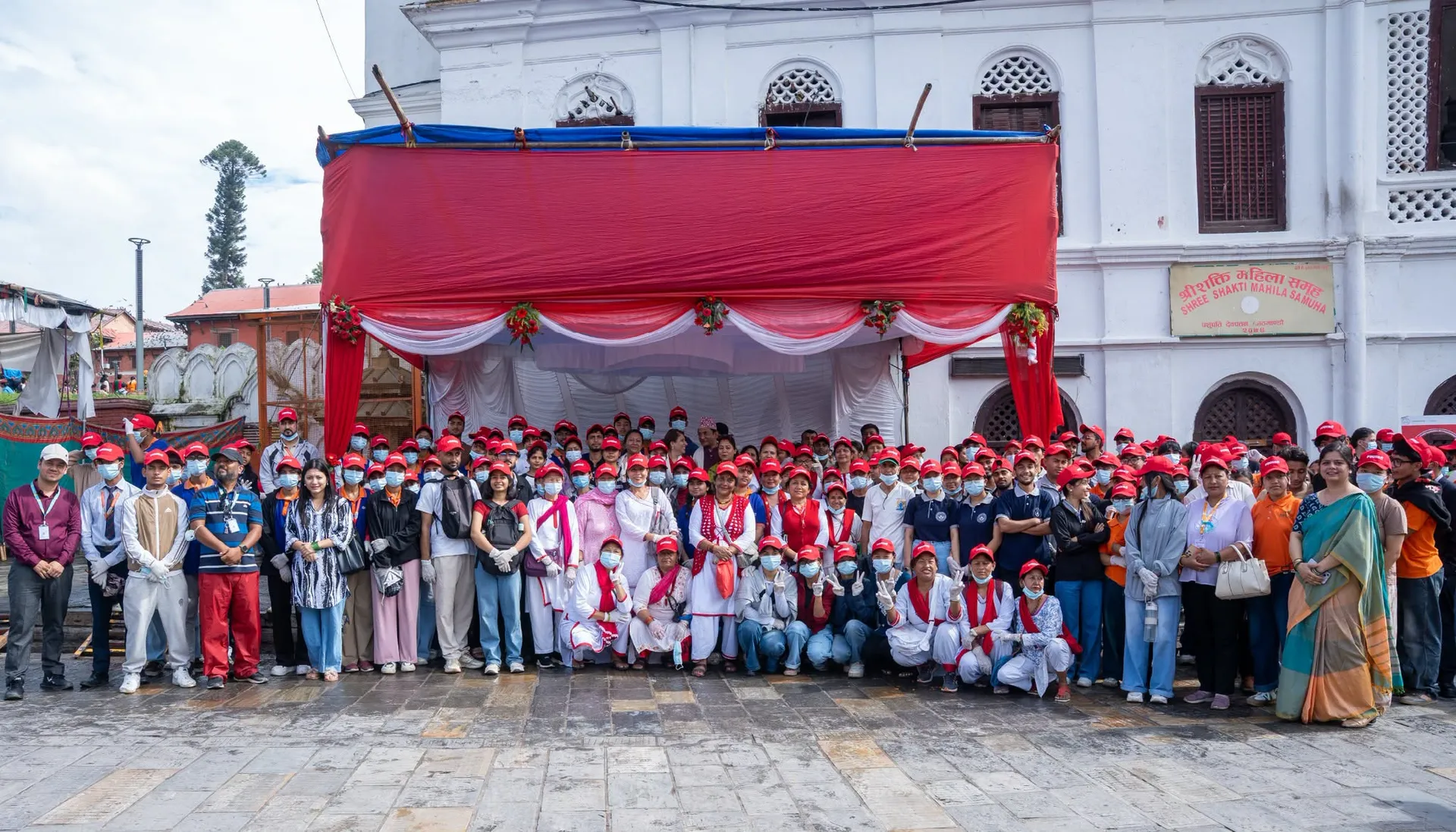
क्रिएसनद्धारा महाशिवरात्रीको अवसरमा पाँच सय सफाईकर्मी परिचालन

महाशिवरात्रीमा थुप्रिएका फोहोरमैला सफा गर्न थाले सफाइकर्मी

Validation Workshop and Handover of Draft Local-Level Solid Waste Management Regulation – Lalitpur Metropolitan City

Read insights, stories, updates, and reflections from our team and partners—covering sustainability, community innovation, and evidence-based practice.
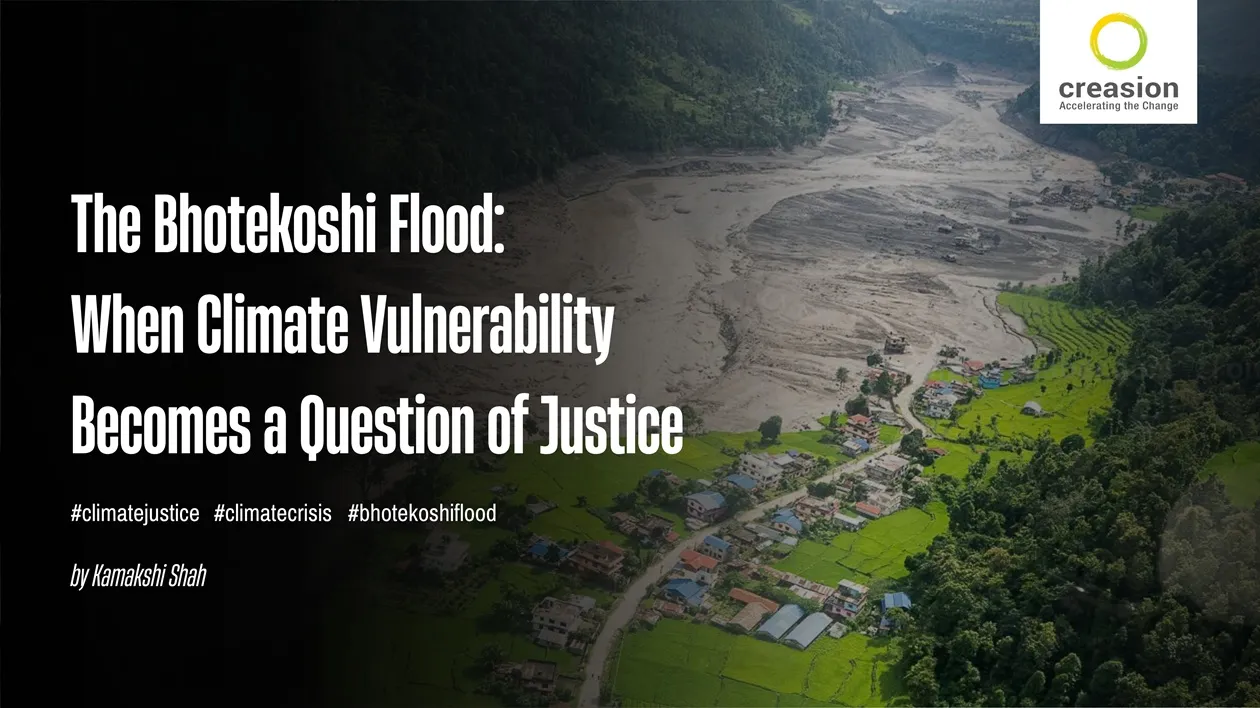
Wetlands: Water, People, and Culture

Wetlands: Water, People, and Culture

Do you know, every year on 2 February, communities around the world pause to celebrate World Wetlands Day? This is a gentle reminder of how essential wetlands are for people, cultures, and the planet. If we talk about the history, this date marks the signing of the Ramsar Convention on Wetlands back in 1971, a global commitment to protect these life-giving ecosystems. When many people hear the word wetland, they think only of marshes, swamps, rivers, or mangroves. But wetlands are far more than places where land and water meet. In and around these wetlands are many life and cultures flourishing. The times immemorial, before we remember, for countless generations, people across Nepal and around the globe have lived beside wetlands, learning their rhythms, stories, making promises and secrets. There are many rituals which is incomplete without wetland such as Chaatt puja. The wetlands habitat such as fish and crabs is the part of festivities, rituals in many parts of the world. The theme for World Wetlands Day 2026, “Wetlands and Traditional Knowledge: Celebrating Cultural Heritage,” invites us to acknowledge this profound link between ecological stewardship and cultural wisdom. Traditional knowledge is not something found in textbooks, it is wisdom passed down through generations such as noticing the subtle flow of water, the activities performed by the grandmother, the patterns of birds and fish, the signs of seasonal change, and the delicate balance of wetland life. It is in the stories elders share around evening fires, in seasonal journeys taken together, and in ceremonies that honour water spirits and wind. These ways of knowing help communities read the land, understand environmental shifts, and respond with care. It is a kind of knowledge born of deep listening to nature and each other. According to The Convention of Wetlands, there are over 2,500 designated Ramsar Sites (Wetlands of International Importance) across the world. In Nepal, wetlands are incredibly rich in life and meaning. The country is home to over 240 wetlands covering roughly 743,500 hectares, about 5–6 % of the nation’s land area (Nepal Tourism Board). These include lakes, ponds, oxbow lakes, marshes, and floodplain systems supporting myriad species and ecological services. Nepal also has 10 designated Ramsar Sites (Wetlands of International Importance), including Koshi Tappu Wildlife Reserve, Beeshazar and associated lakes, Ghodaghodi Lake area, the Pokhara lake cluster, and Rara Lake, altogether covering more than 60,000 hectares of globally significant habitat. Yet wetlands in Nepal are under threat. According to national assessments, these vital ecosystems have declined by about 5.4 % due to conversion to croplands, and this trend continues as urbanisation, encroachment, pollution, invasive species, and land-use change degrade remaining wetland areas. For me, this connection is deeply personal. As a child in rural terai of Nepal, I spent long afternoons beside rivers and ponds near my home wich were the places of play, adventure, and wonder. There we played hide-and-seek, encountered birds, snakes, and countless other creatures. Back then, wetlands were alive with sound and movement. Today, many of those waterways have narrowed, are almost gone, or are degraded; the ponds where we played no longer exist in their former glory, and the calls of birds and the quiet glide of snakes are far less common. Later, when I married into Mithila culture, I was embraced by a rich tapestry of stories about ponds, rivers, water, snakes, and the balance of the ecosystem. These tales which are full of reverence for wetlands were beautiful, exciting, and filled with life. Gradually, I came to realize that the awareness of conservation and sustainability I encountered later in life was not separate from those traditions; it was rooted in them. In Nepali societies like Mithila for say, sustainability is not just a modern approach, it is core to community values, ways of living, and respect for nature. In this era, this connection between culture and ecology matters more than ever. Wetlands are disappearing at a staggering rate faster than forests and the consequences reach far beyond their edges. When wetlands falter, so do the people and cultures tied to them.These days, on my journeys from Kathmandu to hometown, I see wetlands - some natural, others created by people, being transformed into tourist attractions. Once people realized nature attracts visitors and income, they began to value these spaces for their economic potential. But it is a high time we understand that a healthy ecosystem means a healthy environment, and that is the foundation of a healthy body and society, an invaluable form of wealth that cannot be measured purely in monetary terms. There are positive developments, but the pace of wetland degradation remains faster than conservation efforts-a balance that urgently needs to be restored, and accelerating change is key. Like many other cases of environmental degradation, wetland decline is not a new issue (Convention on Biological Diversity). As I mentioned above, many of the wetlands you visited years ago no longer exist, and numerous others are in poor condition due to encroachment, open dumping of waste, and inappropriate land use. While Nepal itself has many important wetlands, and 10 of them are designated as Ramsar sites, what about the rest? I am sure each of you reading this have some or the other kind of stories, memories to share with your friends and younger generations. Let’s talk about it, Let’s talk about Wetlands. This World Wetlands Day, my message is simple and heartfelt - Listen to the elders, value the wisdom woven into local traditions, and recognize that wetlands are both ecological powerhouses and cultural treasures. By bringing traditional knowledge into conversations about wetland protection, we honor cultural heritage and move toward a more compassionate, inclusive future where both people and nature thrive together.

By Roshna Subedi
Read
Racing for Clean Air

Racing for Clean Air

While we are advancing development, there are associated costs we are paying. Over the years, Nepal has witnessed a rapid degradation of air quality, with Air Quality Index (AQI) frequently reaching extremely worrying levels. At times, Kathmandu has even been ranked as the most polluted city in the world. For instance, in April this year, PM2.5 spiked to 365 µg/m³, a concentration categorized as hazardous (The Kathmandu Post). Parameters such as PM2.5 and PM10 are important indicators of air quality that reflect the level of pullution in the atmosphere. PM2.5 refers to particulate matter (solid or liquid droplets) in air less than 2.5 micrometers in diameter. It is among the most dangerous pollutants that can get past the nose and throat to penetrate the lungs and even the blood stream. PM10 refers to larger particles less than 10 micrometers in diameter, which can irritate the eyes, nose and throat, and also cause respiratory problems. The growing health risks from PM2.5, PM10 and other pollutants (such as sulfur dioxide, nitrogen dioxide, and carbon monoxide) stress the urgent need for stronger regulatory action and monitoring. This urgency has driven government efforts to strengthen the country’s air quality framework. In a major step towards addressing this crisis, the Ministry of Forests and Environment (MoFE) had released the updated National Ambient Air Quality Standards, 2082 for feedback and review from concerned stakeholders, which reflects its commitment to a participatory and inclusive approach. The updated standards have been released for the following five categories: National Ambient Air Quality Standards Standard on Emission, Chimney Height and Operation of Brick Industries Standard on Emission and Chimney Height for Industrial Boilers Standard on Emission and Chimney Height for Cement Industries Standard on Operation, Emission and Chimney Height for Industrial Furnace In response, a consultation workshop was organized, and CREASION was glad to be a part of the workshop. The event provided a platform for meaningful discussions among stakeholders from diverse sectors, including health, academia, energy, environmental law, civil society organizations, government representatives, youth, and students. One of the key discussion points of the consultation workshop was whether to set strict standards, which in Nepal’s context, may be difficult to achieve due to limited technology and knowledge gap, but also seem necessary when considering other commitments such as the Nationally Determined Contributions (NDC). Given the current high levels of air pollution, the standards that have been set so far are not strict enough to meet Nepal’s NDC pledges, including the net-zero targets. The existing ambient air quality standards also fall short when compared with WHO Air Quality Guidelines. So, the dilemma becomes: do we prioritize practicality (realistic, achievable standards that fit Nepal’s present context), or aim for higher, progressive benchmarks that are more aspirational, but risk being seen as illusory and unattainable? A proposed solution was to set interim standards, rather than a single target, similar to setting practical milestones, on the way to better air quality levels which align with WHO’s Air Quality Guidelines. This will provide realistic as well as progressive steps, passing one checkpoint after another, which could also become motivating. For example, Nepal’s annual PM2.5 limit of 25 µg/m³ aligns with WHO’s Interim Target 2, while the WHO AQG level for PM2.5 is 5 µg/m³, which represents the concentration considered safe for long-term health. Changing trends of air The right to clean air is the fundamental right of citizens. But the question remains whether this right is being effectively enforced and ensured. While the revised air quality standards are to be enforced as “technical regulations or mapdanda,” they are not legally binding, raising concerns about the level of adoption by industries and the strength of enforcement. Weak monitoring mechanisms and lack of compliance oversight were also highlighted. Suggestions included appointing Environmental Inspectors to strengthen monitoring and enforcement. Participants also criticized the lack of a time-bound revision process in the document. Without fixed timelines for updates, the standards could risk becoming outdated, considering the rate at which air pollution has been increasing in Nepal. While the updated standards mark an important step toward achieving clean air, the importance of public communication and education was also stressed. Technical standards need to be translated into messages the general public can understand, backed with an emphasis on preventive measures. The revised standards represent a good step towards cleaner air, but to actually get better results, it truly depends on how effectively they are adopted and implemented. This requires not just enforcement, but also support for industries and stakeholders through upgradation, training, and capacity building to transition toward cleaner technologies. After all, polluted air affects everyone, there is no escape from it. You can buy bottled water, but when the air turns toxic, there is no alternative. In one of the World Bank reports, it is stated that air pollution is the number one risk factor for death and disability in Nepal, surpassing malnutrition (second) and tobacco (third). The economic impacts of air pollution are substantial. If no additional measures are taken, the impact of air pollution is projected to intensify significantly by 2035. Under the baseline scenario, average PM2.5 concentrations will reach 52 µg/m³ in the Kathmandu Valley and 42 µg/m³ in the Terai, far above the WHO interim target of 35 µg/m³. Waste and air pollution Among the many causes of air pollution, such as wildfires, industrial emissions, vehicular emissions, open waste burning also significantly contributes to air pollution. In communities where waste management is lacking, burning trash, whether to clear space at dumpsites, scavenge valuable non-combustibles like metals, or generate heat often becomes the default choice. In controlled landfills, there can even be spontaneous ignition as methane gas from decomposing waste builds up. Open burning and methane emissions release a mixture of dangerous pollutants, including carcinogenic dioxins, furans, heavy metals, particulate matter, black carbon and greenhouse gases like methane and carbon dioxide. These pollutants contribute significantly to global warming, degrade air quality, and pose serious threats to health and the environment. Robust solid waste management, through measures likes waste segregation, composting or anaerobic digestion of organic waste, landfill gas capture and conversion to renewable natural gas, and waste to energy processes equipped with advanced emissions controls-can dramatically curb the release of methane, black carbon, and other harmful pollutants, while also segregating clean energy and reducing dependance on fossil fuels (https://www.ccacoalition.org/content/waste-sector-solutions). By preventing open burning, recovering energy from waste, and integrating informal waste pickers into formal systems, proper waste management practices not only help curb climate change and preserve air quality but also support community health, economic resilience, and sustainable development. Way forward Countries in the EU, the US, Japan, and China have shown that stricter vehicle and industrial emission standards, the shift toward electric vehicles, and investments in public transport can bring noticeable improvements in air quality. In Nepal, steps such as modernizing brick kilns and promoting clean cooking technologies have already shown encouraging results. Building on these, we need stronger emission controls, wider use of renewable energy, better waste management, and more green spaces in our cities. Most importantly, lasting change will depend on collective effort, from government, civil society, and communities working together, to move beyond short-term fixes toward cleaner, healthier air for all. September 7 is celebrated as International Day of Clean Air for blue skies. This year, too, it was celebrated emphasizing the need to accelerate solutions and collective action to deliver clean air for all. It is high time we changed the narrative, moving away from focusing only on problems and toward implementing real solutions. Every year, during the dry season, we experience extreme levels of air pollution. The monsoon and rainfall bring temporary relief, improving air quality, but without concrete actions to combat pollution, we are likely to face the same situation again: high pollutant levels, hazy skies, and toxic air. The pressing question is whether we are prepared to continue enduring this cycle in the years to come or take necessary actions to ensure cleaner air and a safer environment.

By Roshna Subedi
Read
Water for Life: Protecting our Most Precious Resource

Water for Life: Protecting our Most Precious Resource

Water for Life: Protecting our Most Precious Resource Since 1991, World Water Week, organized annually by the Stockholm International Water Institute (SIWI), has been the leading global forum bringing together scientists, policymakers, innovators and communities to address urgent water challenges. The 35th edition, held from 24–28 August 2025, concludes today, with discussions taking place both in person and online under the theme “Water for Climate Action” (UN Water). But why is this matter important for us? The recent drought situation in Terai is a powerful and timely reminder of just how vital water sources are. On July 10, the Madhesh government officially declared the province a drought-hit  zone, with all 136 municipalities, including the worst-hit Birgunj, facing acute water scarcity.  It was not an abrupt decision, but the culmination of years of water-related challenges: years of negligence, misuse, environmental degradation and years of escalating consequences for humans and all forms of life. Water is more than a resource, it’s the lifeblood of civilizations, the cradle of our evolution and a mirror reflecting our collective wisdom or failures. It’s not simply about hydration, but the choices we make as individuals and societies. Have we become smart enough to steward water wisely, or are we losing ground? When communities rally around water conservation or equitable access, they elevate human solidarity. When water is taken for granted or mismanaged, we expose our vulnerabilities. Water is the ultimate test of our empathy and ingenuity. As we debate, plan and act, we define our humanity. Each decision about water access, conservation, restoration reveals whether we lean toward compassion or neglect. World Water Week embodies this tension which can be understood as a global forum where our best intensions confront harsh realities, and where hope meets action. This year’s spotlight “Water for Climate Action” captures a clear truth, without water-centric solutions, climate targets remain out of reach. Water fuels the climate crisis, from drought and floods to ecosystem collapse. Conversely, smart water management offers a potential for mitigation, adaptation, and resilience. The week aims to plan the entire cycle, from freshwater sources to oceans, while centering ecosystem protection, equitable inclusion, and climate justice. Imagine a farmer in the Terai whose fields thrive through climate-smart water systems, resilient against drought. Picture young minds no longer walking miles for water, their days freed for learning. Or a mother in a flood-prone region whose community’s water strategy now safeguards her family. These are not abstract ideas- these are the human heartbeat within the data and debates. Together, we can make a profound difference. Individually, our daily choices like turning off taps, preventing waste, supporting sound water policies- all add up to collective impact. As societies, we must ensure the voices of the vulnerable resonate in water decisions. That is climate justice in action. And as one humanity, standing at a climate–water crossroads, we must ask: will we rise to adapt, share with fairness and vision- or will we falter in neglect and division? At CREASION, among many, we recognize that microplastics in water represent a major, and growing threat to public health. As the WHO report says “Microplastics are ubiquitous in the environment and have been detected in a broad range of concentrations in marine water, wastewater, fresh water, food, air and drinking-water, both bottled and tap water.” We strongly advocate for urgent decisions and meaningful action on this critical issue. Through programs and projects such as RIPL and Project CAP, as well as our broader advocacy efforts, we are actively combating plastic leakage into rivers and landfills while mitigating the risks of microplastic contamination. As part of our practical solutions, we are strengthening and operating both MRFs (Material Recovery Facilities) and PRFs (PET Recycling Facilities). We are also making our best efforts to coordinate with local, provincial, and federal governments to ensure these issues are addressed at the policy level- fostering systemic and sustainable change. Scientific evidence, alongside tragic lived experiences, highlights the devastating impact of the water crisis. World Water Week is that vital nexus where human stories and global science converge- and where we can shift not just policies, but our shared human future. And at the heart of this shared story lies one deeply personal, urgent question: How clean and safe is the water you drink- or the water you provide to your children and loved ones to quench their thirst?

By Roshna Subedi
Read
Quick Quiz

Test your knowledge

See if you know what resources CREASION offers.

Question 1 of 3Score: 0

What types of resources does CREASION's Knowledge & Resources section offer?