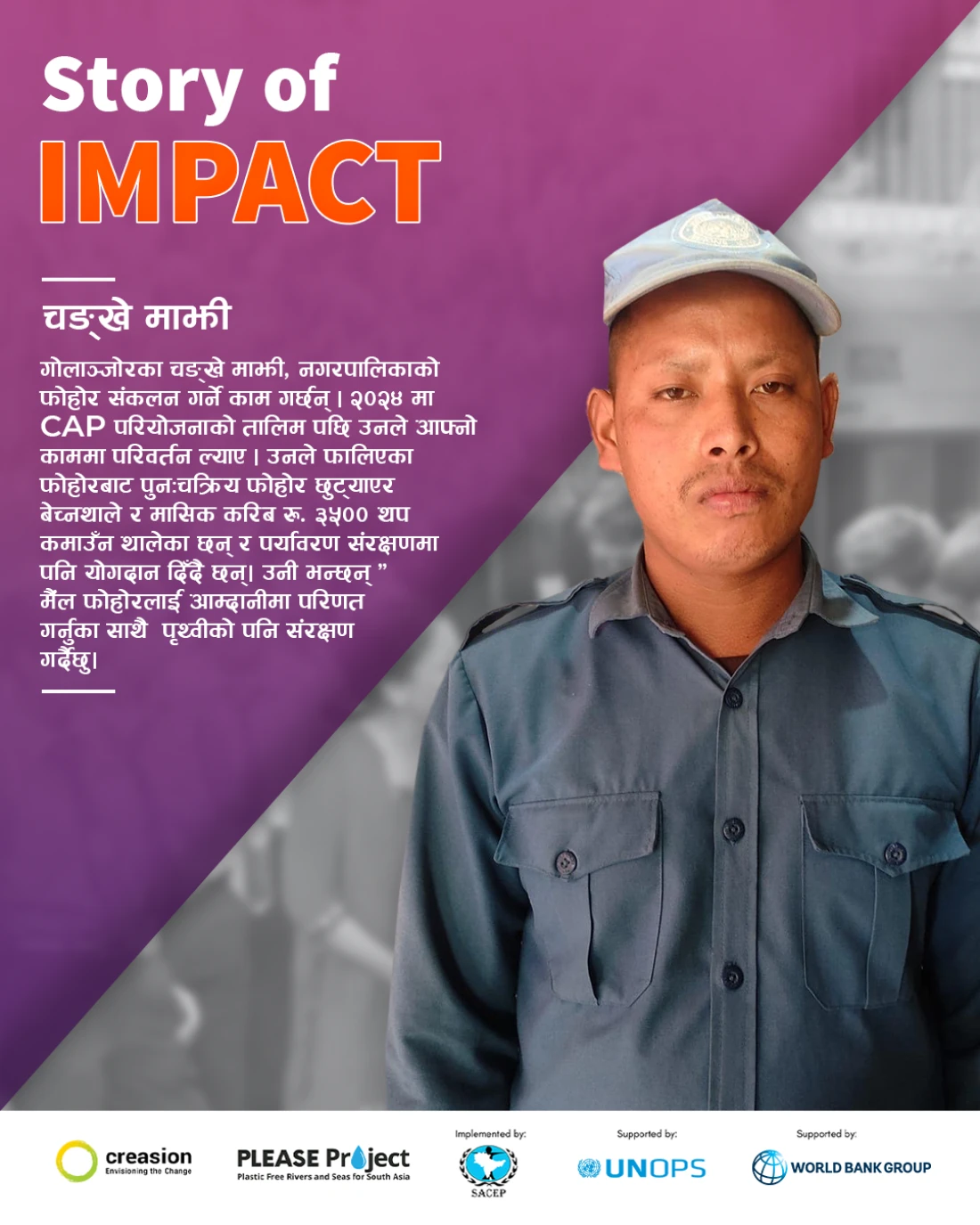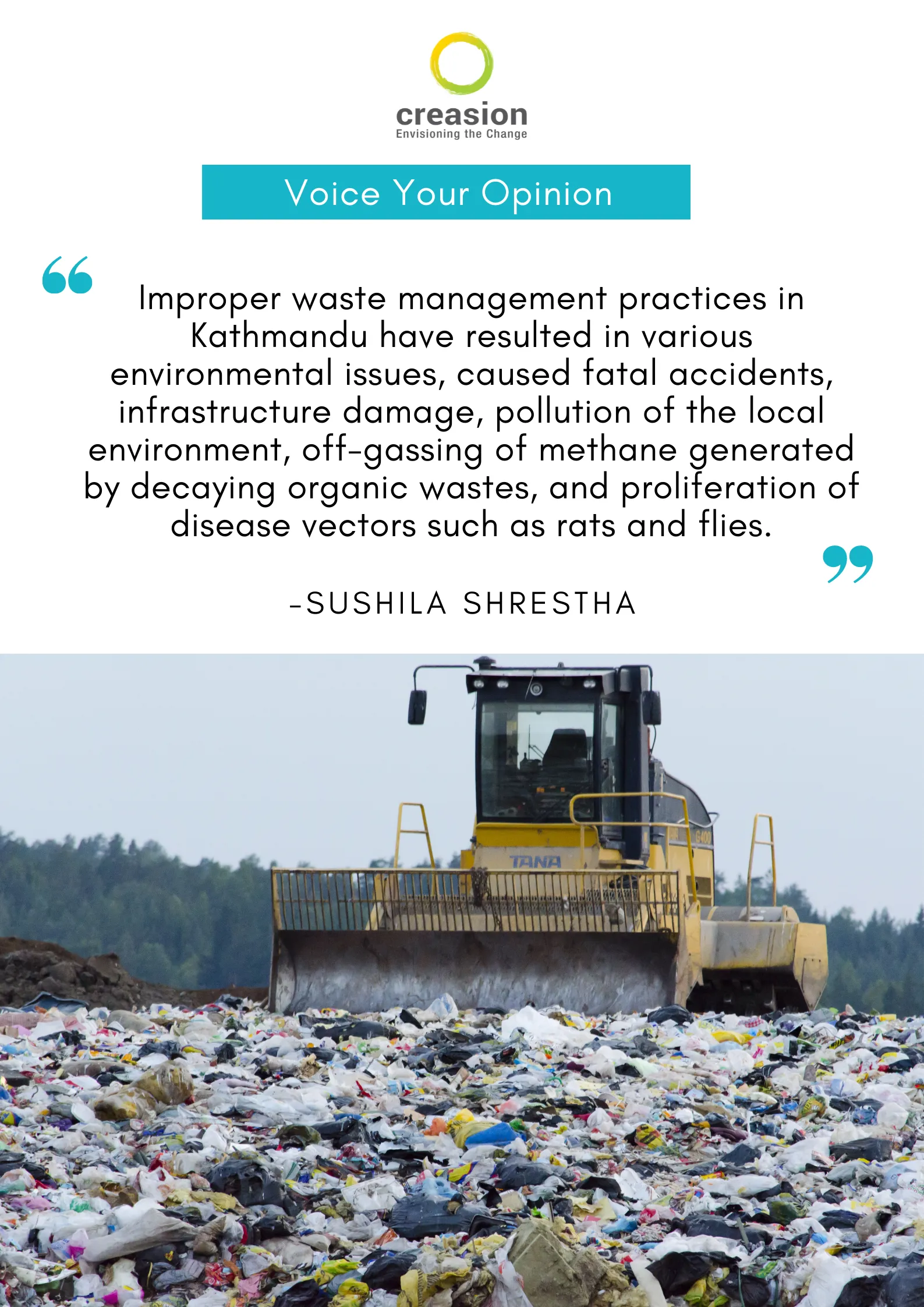
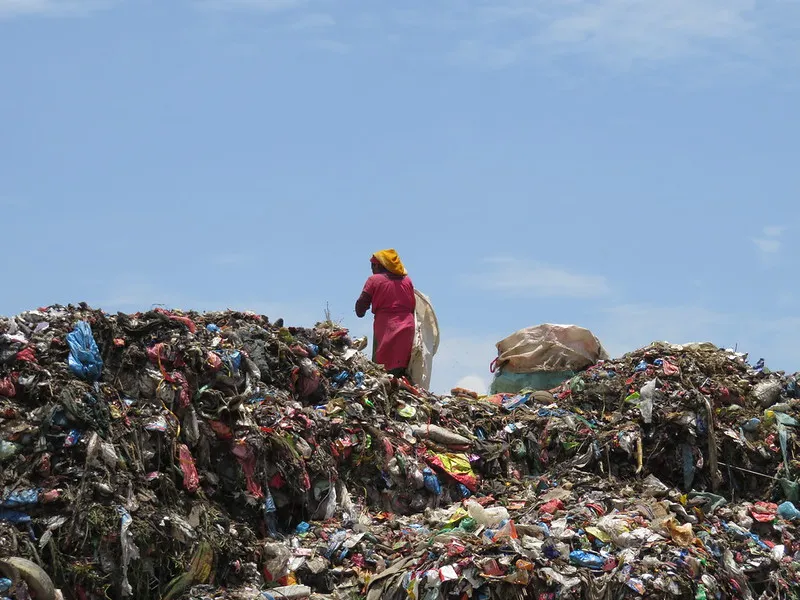
In Nepal, while local municipalities focus heavily on formal garbage disposal, the true heartbeat of our recycling and sustainability efforts lies elsewhere, in the informal sector. Every day, informal waste worker which has majority of women, serve as the backbone of our recycling and upcycling systems. While the women significantly dominate in protecting our environment from pollution, they seem almost invisible while it comes to the recognition and are barely given a chance to raise their voice in local decision-making processes. On top of that, they face so many systematic barriers, unsafe working conditions, and daily exposure to toxic waste, while being excluded from the local policies that shape their lives.
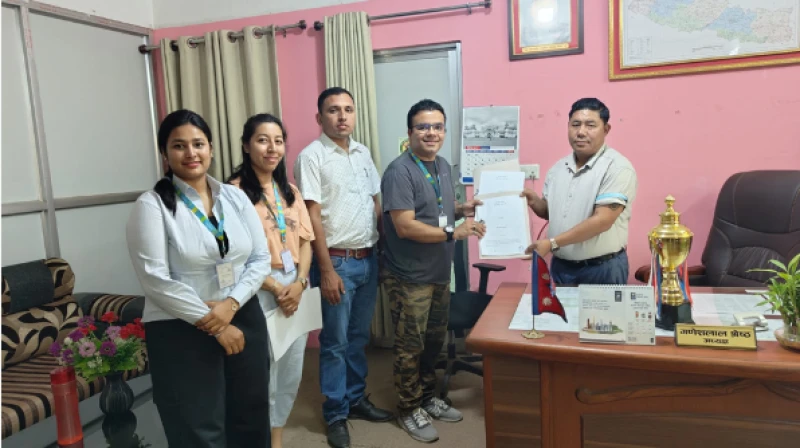
Enabling gender-responsive and inclusive waste management systems through awareness-raising and capacity building for local authorities in Nepal is a pilot initiative, funded by GRID-Ardenal and supported by the Basel, Rotterdam and Stockholm Conventions (BRS) with the main objective of bridging the gap between local governments and informalwaste workers, is focused on the model where they are recognized, protected, and empowered.
From working to integrate informal waste workers into official municipal planning to tackling the dangers of contaminated waste, reducing hazardous exposure and securing safer working conditions and providing local authorities with the practical tools they need to build gender-responsive, inclusive waste policies, this project aims to contribute to a transition toward more inclusive, resilient, resource-efficient, and environmentally sound waste management. It will strengthen the capacity of municipal decision-makers and stakeholders through consultations, awareness, and capacity building, and develop a practical Toolkit and guidance to promote safer, more inclusive, and gender-responsive waste management practices that can be replicated across municipalities in Nepal.