NUWAKOT - As flood-affected communities begin the challenging transition from immediate crisis to long-term recovery, CREASION deployed dedicated field teams across Trishuli Wari and Trishuli Pari in Bidur Municipality, Nuwakot, on September 11, 2026. The comprehensive field mission focused on delivering critical emergency supplies while conducting grassroots needs assessments with displaced families. As local authorities prepare to move communities out of temporary holding centers, this dual-approach initiative marks a crucial pivot in Project Rahat, shifting the organizational focus from rapid disaster response toward sustainable winter preparedness and rehabilitation.
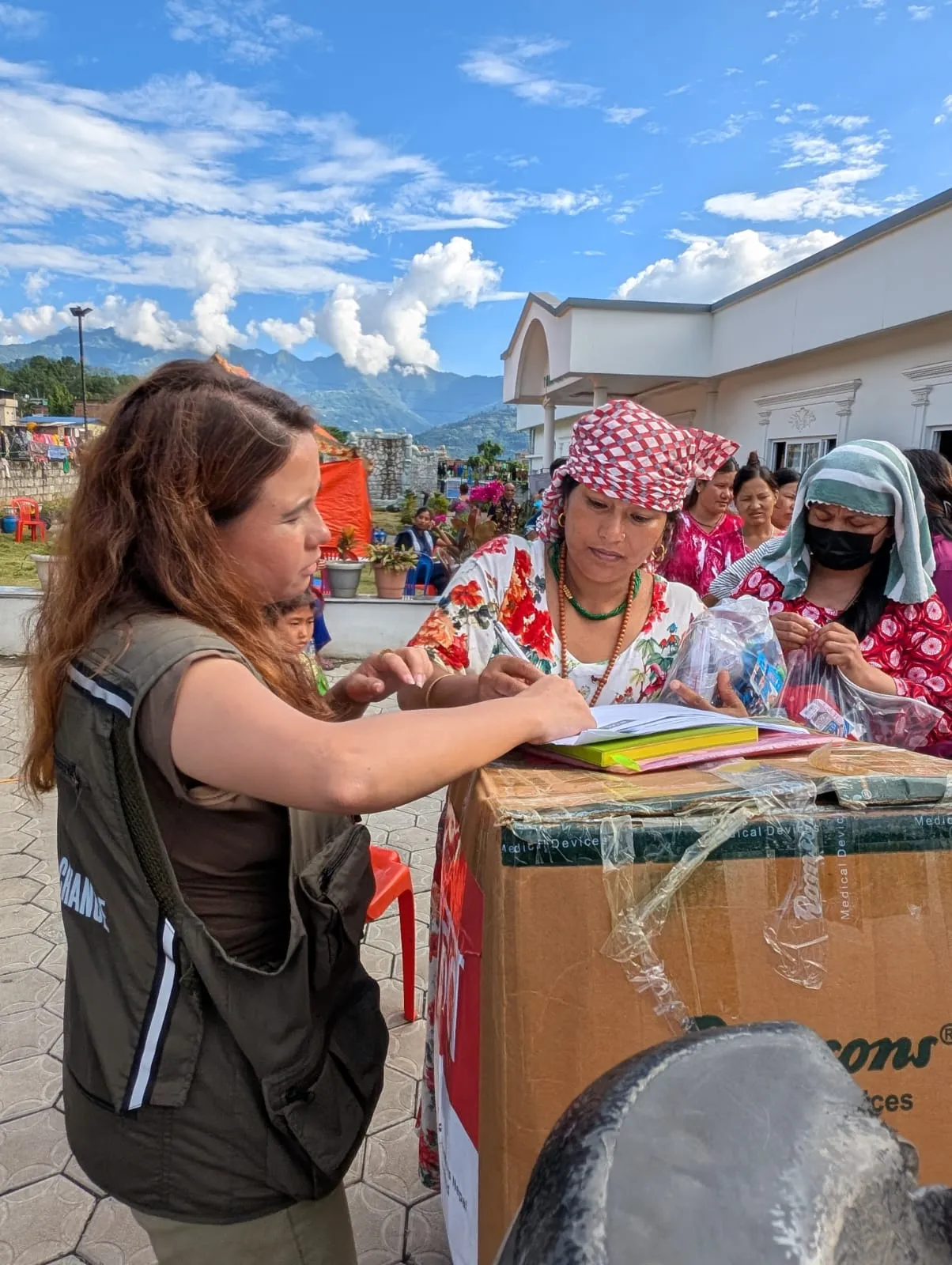
Operating in two specialized groups, the CREASION teams successfully reached multiple wards and newly established holding centers, delivering a total of 460 hygiene kits and 460 medical kits to households severely impacted by the recent floods. Recognizing the specific vulnerabilities of younger populations during displacement, the teams also distributed 74 specialized children's kits. In Trishuli Wari, distributions focused heavily on families displaced from Rasuwa who are currently seeking shelter in Bidur Municipality's Kabard Hall, Himalayan Academy, and Tamang Plaza. Concurrently, the Trishuli Pari team expanded the outreach to Wards 7 and 9, extending vital aid to families sheltering at Sulachhana and Trishuli Primary School. To fortify the broader municipal response, remaining medical supplies, including substantial quantities of essential medicines, were systematically handed over to the District Collection Centre. Furthermore, community morale and local communication were supported in Ward 8 through the handover of a megaphone and traditional musical instruments to local representatives.
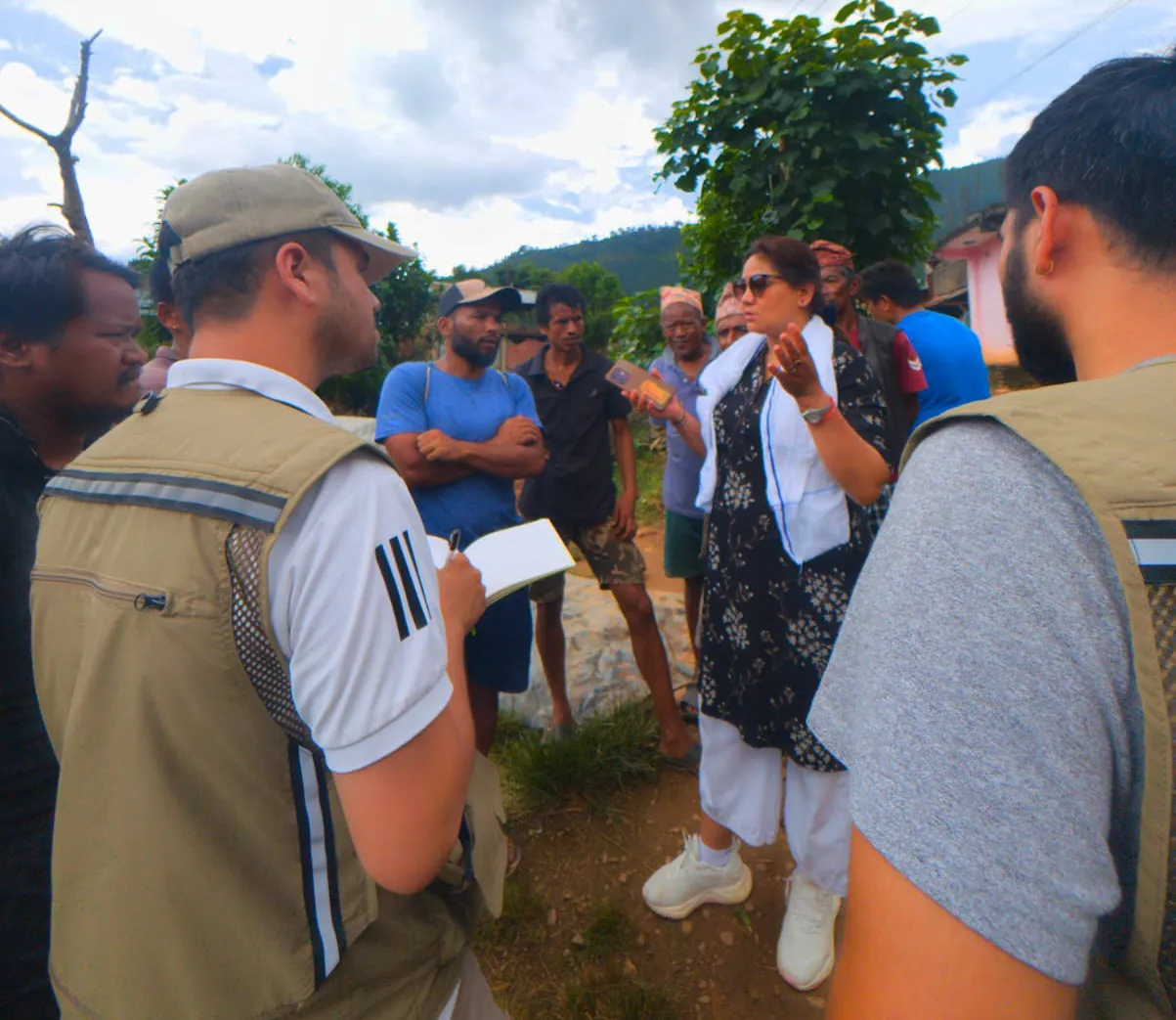
Beyond the immediate distribution of relief materials, the core objective of the field mission was to engage directly with affected communities through Focus Group Discussions and Key Informant Interviews. These grassroots' conversations revealed a rapidly shifting humanitarian landscape. While early interventions provided vital breathing room, displaced families are now voicing an urgent need for daily living essentials such as kitchen items, LPG gas cylinders, cooking stoves, and heavy winter clothing as the colder months approach. Furthermore, the demand for temporary shelter materials, specifically corrugated iron sheets and iron pipes, has surged. This urgency is compounded by the local municipality's necessary initiative to vacate school buildings currently functioning as holding centers so that local educational activities can resume.
To address this looming shelter gap, local leaders are actively exploring alternative accommodations. In Ward 8, municipal representatives are conceptualizing the establishment of localized tent houses to accommodate approximately fifty families who may struggle to secure alternative rental housing, with local ward members generously stepping forward to offer private land for these temporary settlements. Amidst these infrastructural planning efforts, the psychological toll on displaced families remains profound. Stakeholders and center focal persons consistently emphasized that children urgently require more than just material aid; they need basic study materials and stationery to smoothly reintegrate into school routines, alongside dedicated psychosocial counseling to help them process the ongoing trauma of their displacement.
As the broader governmental response gradually moves toward permanent resettlement and household recovery, CREASION is strategically realigning its support framework to match these evolving realities. By listening closely to the voices of the displaced and coordinating seamlessly with local municipalities, the organization continues to ensure that the next phase of its humanitarian response bridges the critical gap between emergency survival and long-term community resilience. Moving forward, interventions will place a greater emphasis on secure shelter, winter readiness, child well-being, and the holistic restoration of affected households.