

Our Impacts
Transforming waste into resources for a sustainable future

Transforming waste into resources for a sustainable future
Impact Numbers


AREAS WE WORK
1. GreenShift Nepal
Green Shift: Circularity of Plastic Waste for Net-Zero Carbon Nepal (GreenShift Nepal) is a four-year project funded by the European Union and led by CREASION, in partnership with Restless Development and Youth Innovation Lab. Implemented in nine municipalities across Bagmati, Madhesh, and Lumbini provinces, the project promotes a circular economy by minimizing plastic waste and integrating it into the product value chain.
It aims to strengthen waste enterprises, support SMEs in developing plastic alternatives, engage schoolchildren and youths in awareness campaigns, and enhance government capacity for inclusive, evidence-based policies, driving Nepal towards a sustainable, net-zero carbon future.


AREAS WE WORK
2. Project Prayaash
Project Prayaash addresses Nepal’s growing plastic waste problem by establishing a measurable and verifiable recycling chain to ensure proper collection and recycling, especially in under-served areas. With 600 Metric Tons of plastic waste generated daily and limited recycling facilities, the project aims to reduce landfill waste and promote sustainable waste management practices.
Additionally, Prayaash focuses on the social inclusion of over 15,000 informal waste workers, who are crucial to waste recovery but face poor working conditions and social discrimination. By integrating them into the formal system, the project enhances their livelihoods through fair wages, better working conditions, and social support.


AREAS WE WORK
3. Preventing Plastics in the Rivers of Nepal
Preventing Plastic in Nepal’s Rivers aims to tackle plastic pollution by establishing collection points along rivers to intercept waste at the source. With Kathmandu’s growing population, 27% of waste is dumped on riverbanks, contributing to environmental degradation. This project will pilot a locally run plastic recycling facility, managing both high- and low-quality plastics, which currently lack proper processing in Nepal.
By enhancing the informal waste sector, especially empowering marginalized women waste pickers, the project seeks to increase plastic recovery and prevent littering, turning plastic waste into valuable resources while promoting sustainable waste management practices.


AREAS WE WORK
1. Emergency Disaster Response
Emergency Disaster Response by CREASION embodies the motto Building Back Better, providing immediate relief while empowering communities for long-term resilience. Beneficiaries actively participate in planning and implementing changes. Always on standby, we’ve responded to crises such as the 2015 earthquake, 2017 floods, and the 2020 COVID-19 outbreak, delivering vital relief and rehabilitation.
Our efforts have enabled children to return to school, supported households in regaining stability, and helped communities rebuild their lives. CREASION remains at the forefront, protecting the most vulnerable and ensuring sustainable recovery in the face of disasters.


AREAS WE WORK
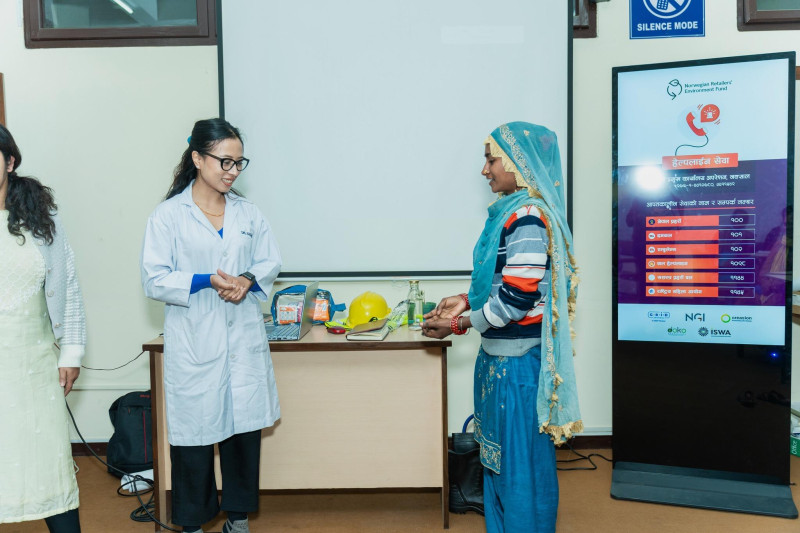
2. Preventing Plastics in the Rivers of Nepal
Preventing Plastic in Nepal’s Rivers aims to tackle plastic pollution by establishing collection points along rivers to intercept waste at the source. With Kathmandu’s growing population, 27% of waste is dumped on riverbanks, contributing to environmental degradation. This project will pilot a locally run plastic recycling facility, managing both high- and low-quality plastics, which currently lack proper processing in Nepal.
By enhancing the informal waste sector, especially empowering marginalized women waste pickers, the project seeks to increase plastic recovery and prevent littering, turning plastic waste into valuable resources while promoting sustainable waste management practices.


AREAS WE WORK
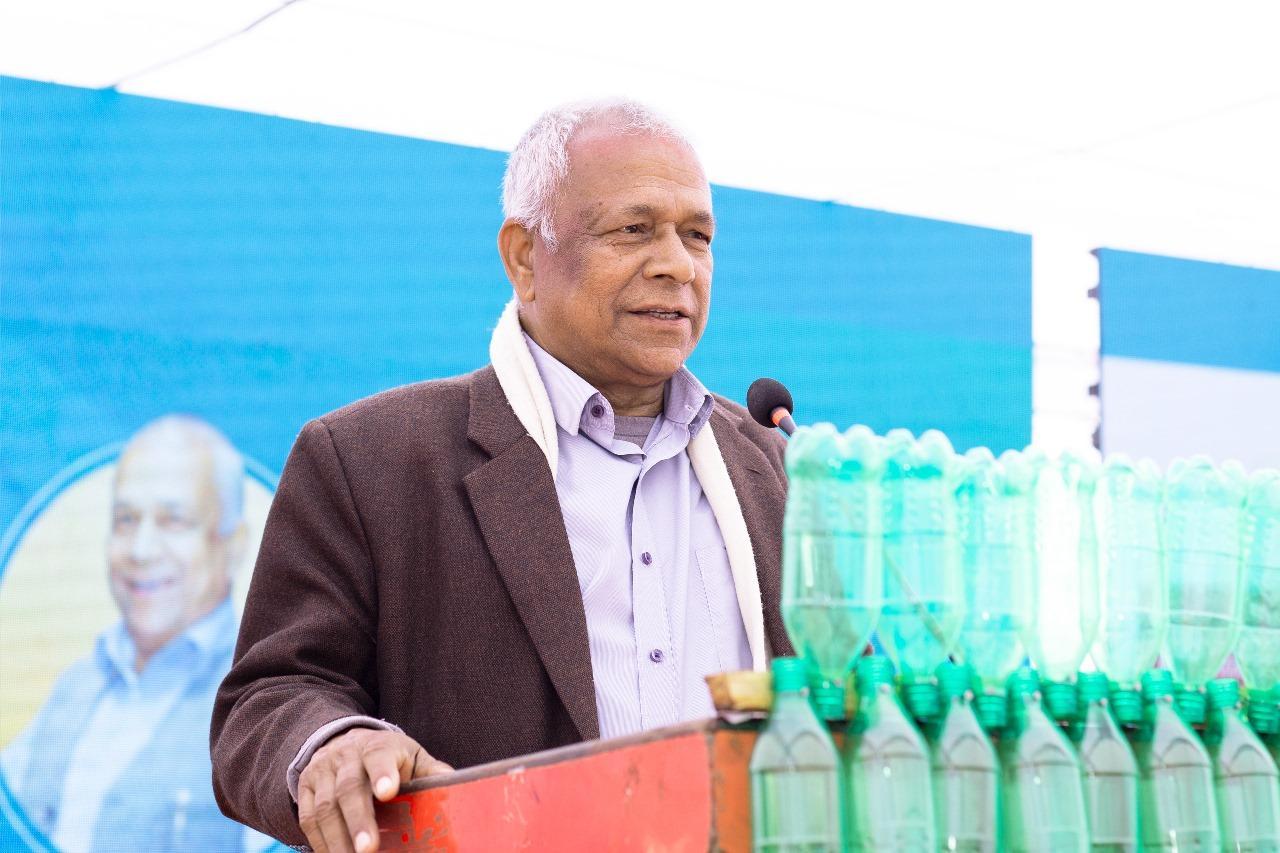
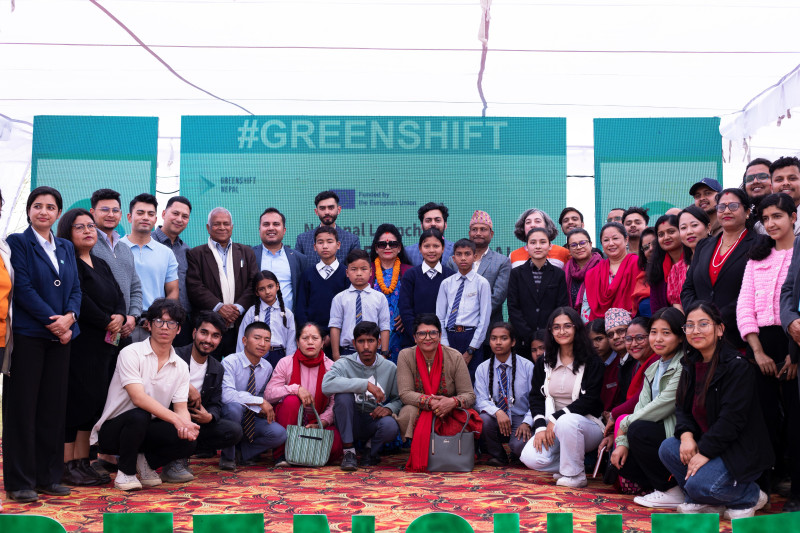
3. GreenShift Nepal
Green Shift: Circularity of Plastic Waste for Net-Zero Carbon Nepal (GreenShift Nepal) is a four-year project funded by the European Union and led by CREASION, in partnership with Restless Development and Youth Innovation Lab. Implemented in nine municipalities across Bagmati, Madhesh, and Lumbini provinces, the project promotes a circular economy by minimizing plastic waste and integrating it into the product value chain.
It aims to strengthen waste enterprises, support SMEs in developing plastic alternatives, engage schoolchildren and youths in awareness campaigns, and enhance government capacity for inclusive, evidence-based policies, driving Nepal towards a sustainable, net-zero carbon future.
AREAS WE WORK
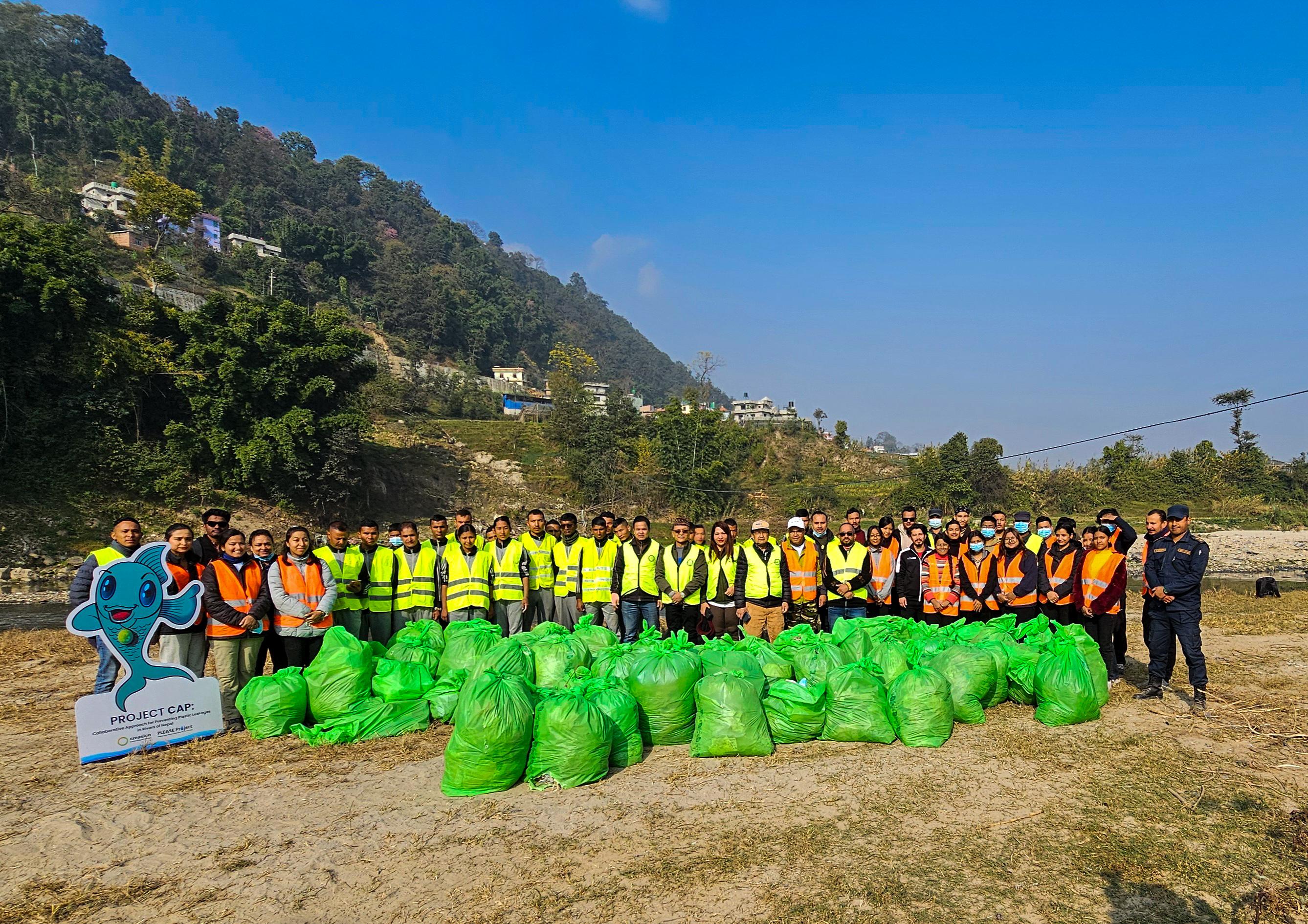
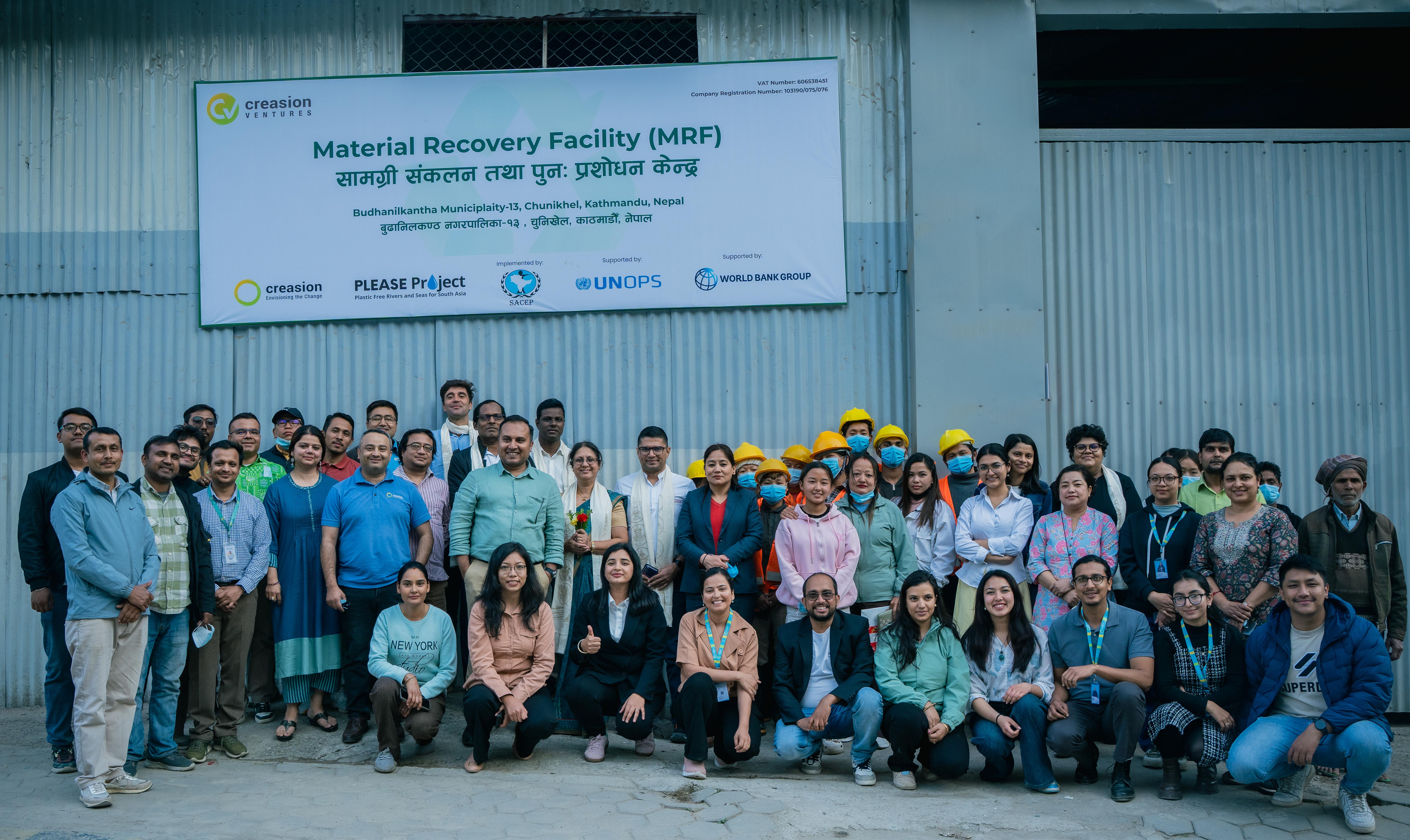
4. Project CAP
Project CAP (Collaborative Approach for Preventing Plastic Leakages in Rivers of Nepal)
A project run by CREASION, aims to divert plastic waste into product value chain from landfills and rivers by strengthening plastic waste collection mechanism and strengthening recycling efforts through the introduction of technological innovations.
The project will develop a collaborative model to engage all the major stakeholders in establishing a strong plastic waste value chain. Project CAP is one of the projects by the PLEASE (Plastic Free Rivers and Seas of South Asia) in Nepal, which is implemented by the South Asia Cooperative Environment Program (SACEP), supported by United Nations Procurement Services Secretariat (UNOPS) and the World Bank.
AREAS WE WORK
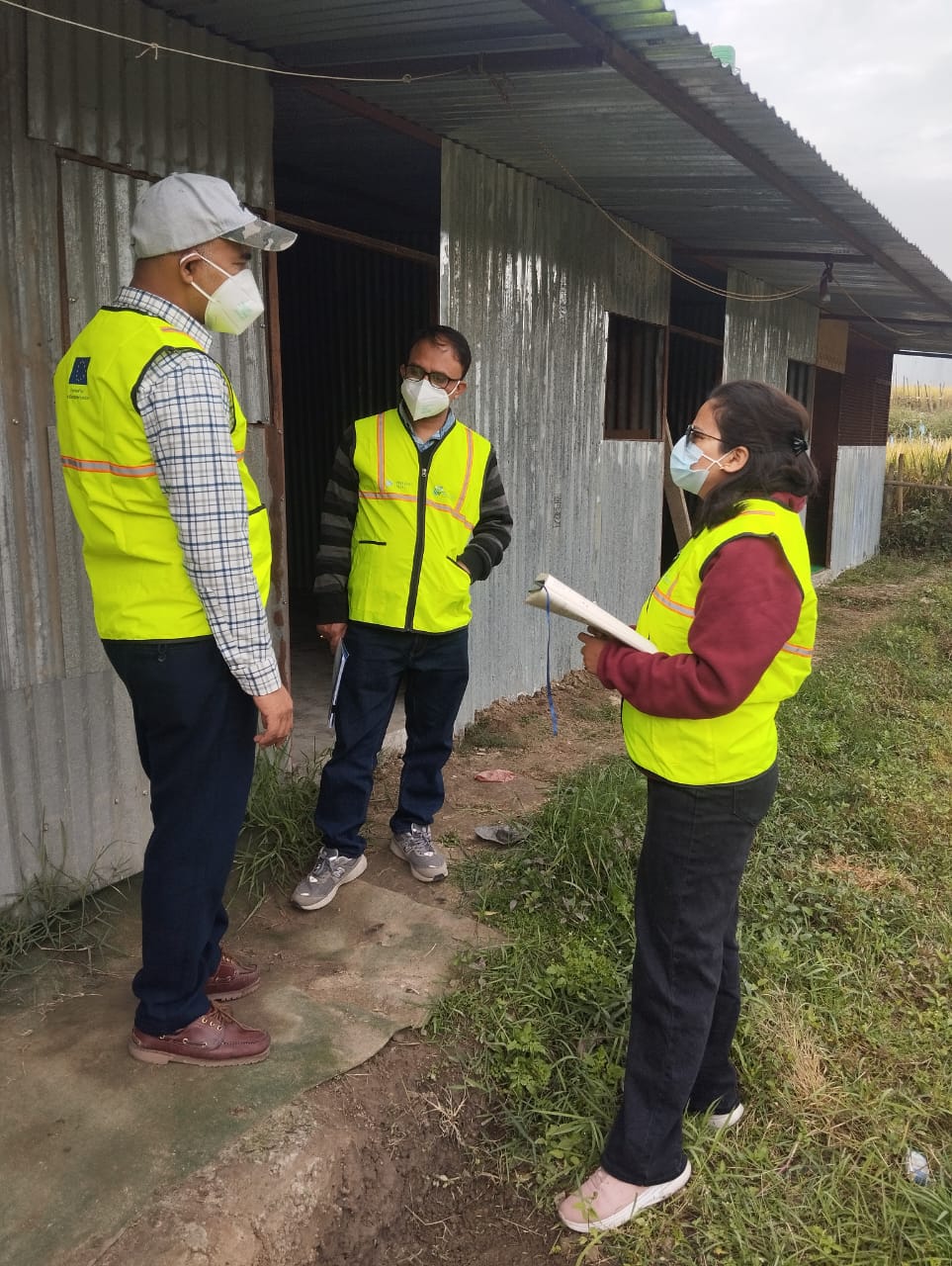
1. GreenShift Nepal
Green Shift: Circularity of Plastic Waste for Net-Zero Carbon Nepal (GreenShift Nepal) is a four-year project funded by the European Union and led by CREASION, in partnership with Restless Development and Youth Innovation Lab. Implemented in nine municipalities across Bagmati, Madhesh, and Lumbini provinces, the project promotes a circular economy by minimizing plastic waste and integrating it into the product value chain.
It aims to strengthen waste enterprises, support SMEs in developing plastic alternatives, engage schoolchildren and youths in awareness campaigns, and enhance government capacity for inclusive, evidence-based policies, driving Nepal towards a sustainable, net-zero carbon future.
AREAS WE WORK
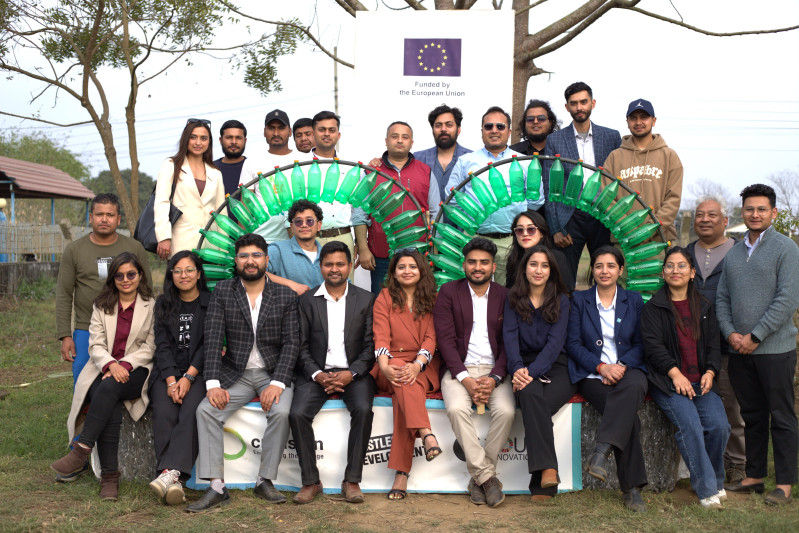
1. GreenShift Nepal
Green Shift: Circularity of Plastic Waste for Net-Zero Carbon Nepal (GreenShift Nepal) is a four-year project funded by the European Union and led by CREASION, in partnership with Restless Development and Youth Innovation Lab. Implemented in nine municipalities across Bagmati, Madhesh, and Lumbini provinces, the project promotes a circular economy by minimizing plastic waste and integrating it into the product value chain.
It aims to strengthen waste enterprises, support SMEs in developing plastic alternatives, engage schoolchildren and youths in awareness campaigns, and enhance government capacity for inclusive, evidence-based policies, driving Nepal towards a sustainable, net-zero carbon future.
AREAS WE WORK
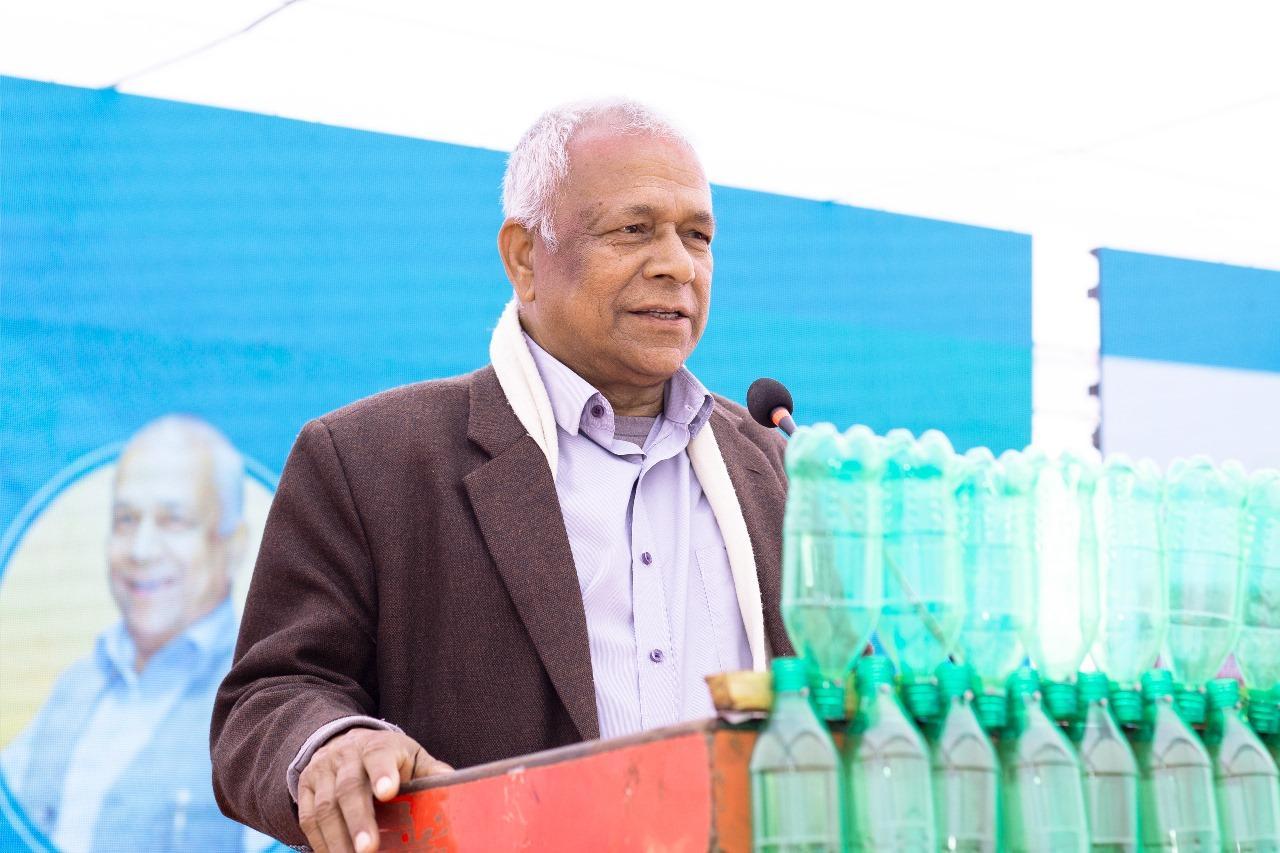
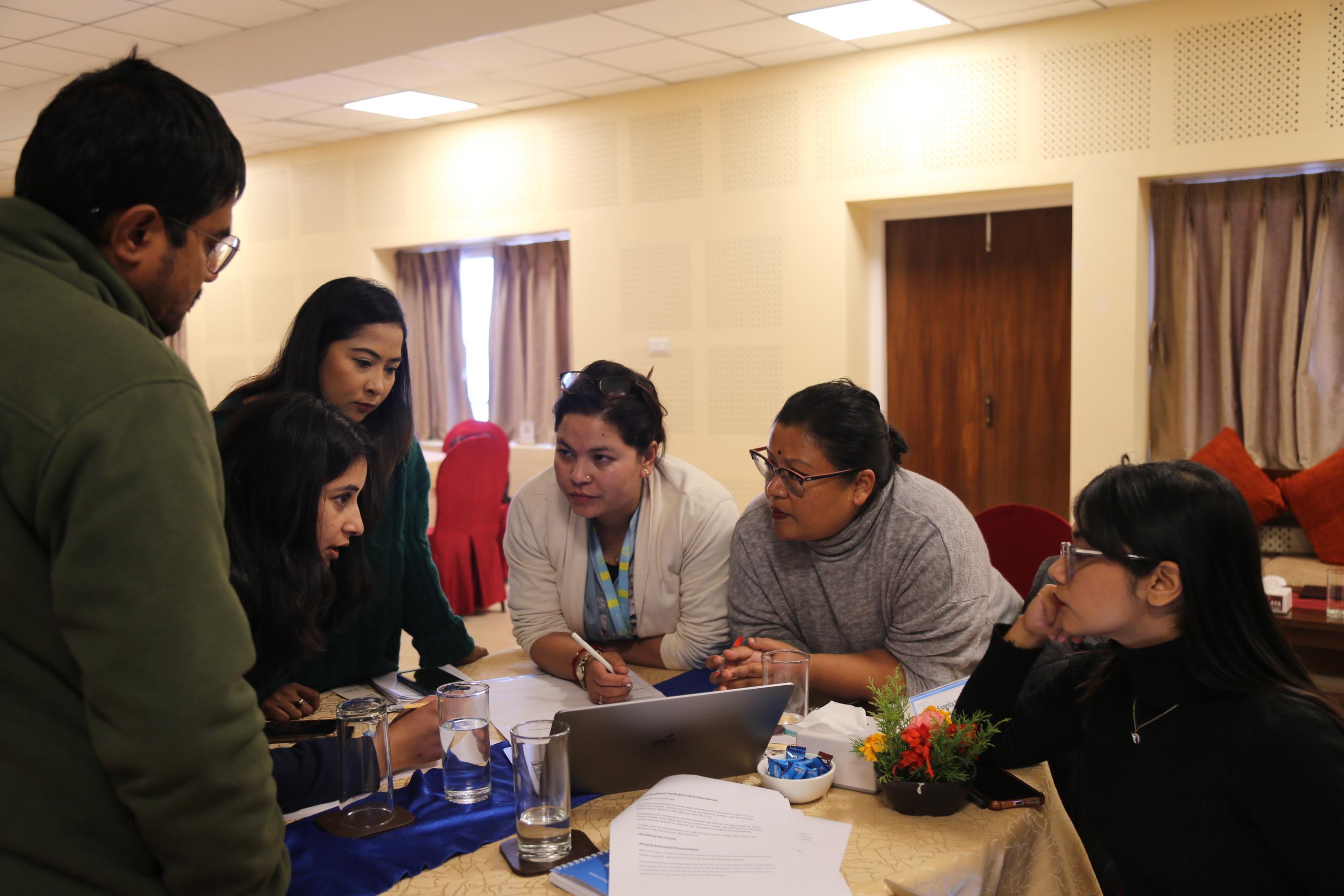
2. Project CAP
Project CAP (Collaborative Approach for Preventing Plastic Leakages in Rivers of Nepal)
A project run by CREASION, aims to divert plastic waste into product value chain from landfills and rivers by strengthening plastic waste collection mechanism and strengthening recycling efforts through the introduction of technological innovations.
The project will develop a collaborative model to engage all the major stakeholders in establishing a strong plastic waste value chain. Project CAP is one of the projects by the PLEASE (Plastic Free Rivers and Seas of South Asia) in Nepal, which is implemented by the South Asia Cooperative Environment Program (SACEP), supported by United Nations Procurement Services Secretariat (UNOPS) and the World Bank.

AREAS WE WORK
1. GreenShift Nepal
Green Shift: Circularity of Plastic Waste for Net-Zero Carbon Nepal (GreenShift Nepal) is a four-year project funded by the European Union and led by CREASION, in partnership with Restless Development and Youth Innovation Lab. Implemented in nine municipalities across Bagmati, Madhesh, and Lumbini provinces, the project promotes a circular economy by minimizing plastic waste and integrating it into the product value chain.
It aims to strengthen waste enterprises, support SMEs in developing plastic alternatives, engage schoolchildren and youths in awareness campaigns, and enhance government capacity for inclusive, evidence-based policies, driving Nepal towards a sustainable, net-zero carbon future.
AREAS WE WORK
2. Project CAP
Project CAP (Collaborative Approach for Preventing Plastic Leakages in Rivers of Nepal)
A project run by CREASION, aims to divert plastic waste into product value chain from landfills and rivers by strengthening plastic waste collection mechanism and strengthening recycling efforts through the introduction of technological innovations.
The project will develop a collaborative model to engage all the major stakeholders in establishing a strong plastic waste value chain. Project CAP is one of the projects by the PLEASE (Plastic Free Rivers and Seas of South Asia) in Nepal, which is implemented by the South Asia Cooperative Environment Program (SACEP), supported by United Nations Procurement Services Secretariat (UNOPS) and the World Bank.
AREAS WE WORK
1. GreenShift Nepal
Green Shift: Circularity of Plastic Waste for Net-Zero Carbon Nepal (GreenShift Nepal) is a four-year project funded by the European Union and led by CREASION, in partnership with Restless Development and Youth Innovation Lab. Implemented in nine municipalities across Bagmati, Madhesh, and Lumbini provinces, the project promotes a circular economy by minimizing plastic waste and integrating it into the product value chain.
It aims to strengthen waste enterprises, support SMEs in developing plastic alternatives, engage schoolchildren and youths in awareness campaigns, and enhance government capacity for inclusive, evidence-based policies, driving Nepal towards a sustainable, net-zero carbon future. Works in Kohalpur and Nepalgunj Municipality
AREAS WE WORK
1. GreenShift Nepal
Green Shift: Circularity of Plastic Waste for Net-Zero Carbon Nepal (GreenShift Nepal) is a four-year project funded by the European Union and led by CREASION, in partnership with Restless Development and Youth Innovation Lab. Implemented in nine municipalities across Bagmati, Madhesh, and Lumbini provinces, the project promotes a circular economy by minimizing plastic waste and integrating it into the product value chain.
It aims to strengthen waste enterprises, support SMEs in developing plastic alternatives, engage schoolchildren and youths in awareness campaigns, and enhance government capacity for inclusive, evidence-based policies, driving Nepal towards a sustainable, net-zero carbon future.
AREAS WE WORK
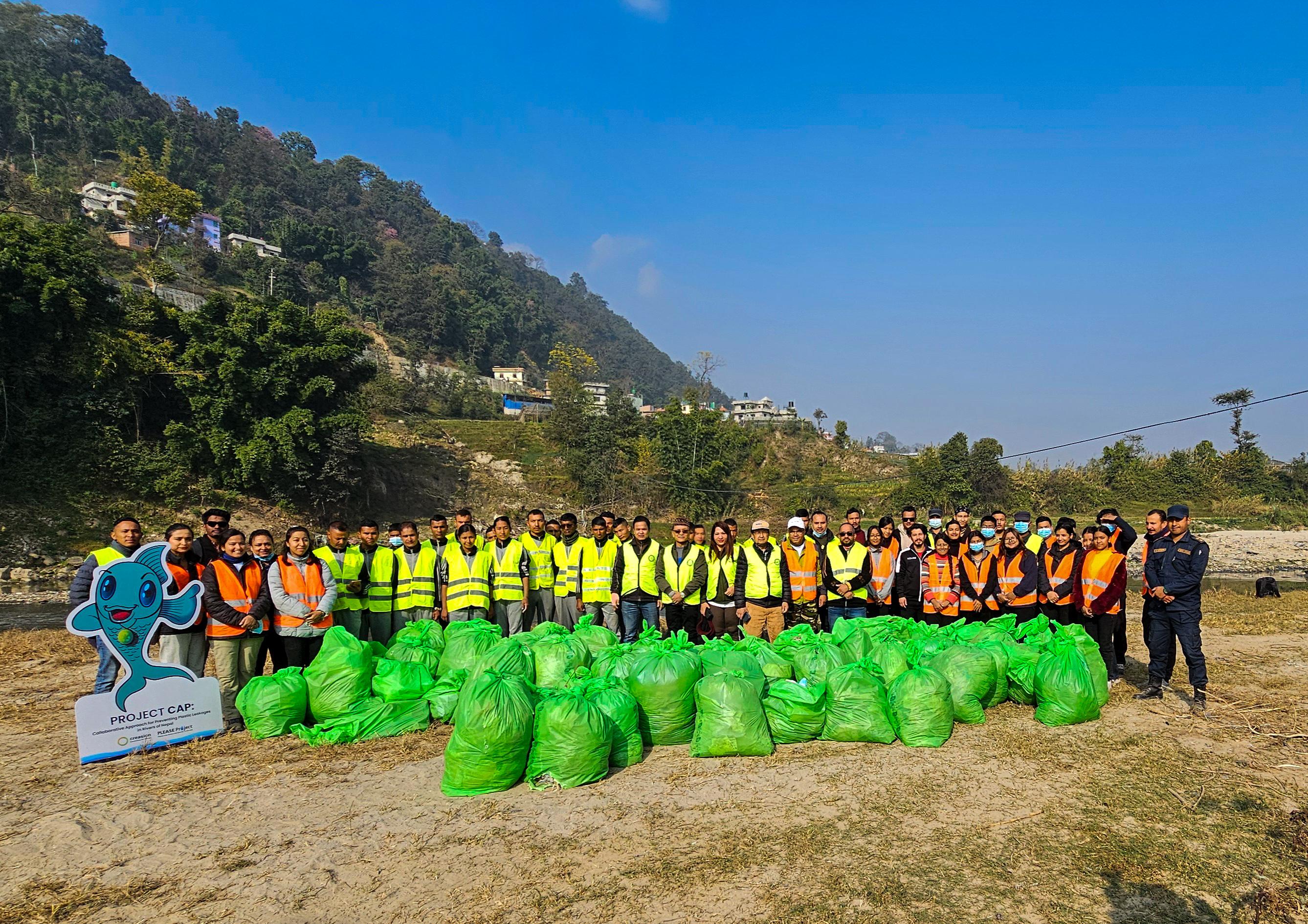
1. Project CAP
Project CAP (Collaborative Approach for Preventing Plastic Leakages in Rivers of Nepal)
A project run by CREASION, aims to divert plastic waste into product value chain from landfills and rivers by strengthening plastic waste collection mechanism and strengthening recycling efforts through the introduction of technological innovations.
The project will develop a collaborative model to engage all the major stakeholders in establishing a strong plastic waste value chain. Project CAP is one of the projects by the PLEASE (Plastic Free Rivers and Seas of South Asia) in Nepal, which is implemented by the South Asia Cooperative Environment Program (SACEP), supported by United Nations Procurement Services Secretariat (UNOPS) and the World Bank. Worked in Gajuri Rural Municipality of Dhading.
AREAS WE WORK
1. GreenShift Nepal
Green Shift: Circularity of Plastic Waste for Net-Zero Carbon Nepal (GreenShift Nepal) is a four-year project funded by the European Union and led by CREASION, in partnership with Restless Development and Youth Innovation Lab. Implemented in nine municipalities across Bagmati, Madhesh, and Lumbini provinces, the project promotes a circular economy by minimizing plastic waste and integrating it into the product value chain.
It aims to strengthen waste enterprises, support SMEs in developing plastic alternatives, engage schoolchildren and youths in awareness campaigns, and enhance government capacity for inclusive, evidence-based policies, driving Nepal towards a sustainable, net-zero carbon future.
Impact


PROMOTING CIRCULAR ECONOMY OF PLASTICS BY EFFECTIVELY WORKING TOWARDS MINIMIZING PLASTIC WASTE AND DIVERTING EXISTING WASTE INTO PRODUCT VALUE CHAIN.


The Communique is CREASION's official newsletter where we bring all undertakings related to our core values, primarily concerning the environment.

The Communique is CREASION’s official newsletter where we bring all undertakings related to our core values, primarily concerning the environment.


© 2024 Creasion. All Rights Reserved.
Handcrafted by Featherwebs


